
Search

-
Case Studies
Resilient risk governance: experience from the Sahel and Horn of Africa
This report explores how local risk governance systems and institutional arrangements can mediate people抯 access to services that build resilience.
-
video
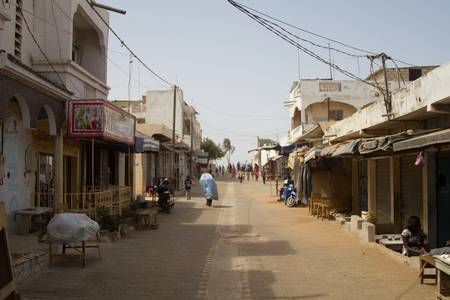
Living with water in urban Senegal
In Dakar, the capital of Senegal, rain flood waters have been worsening, destroying property, spreading disease and damaging local economy. A new flood water capture programme is changing all of that. There are plans to expand the program, but in the meantime, there are some problems. The local community leader explains.
-
opinion
Household resilience to El Niño-driven drought
To cope with drought, communities in Kombolcha are switching to khat farming
-
opinion
Without women, African agriculture won't withstand climate change
Don't look at women as passive victims of climate change. They can be driving efforts to adapt
-
opinion
Preparing for disaster pays by saving lives, cutting losses
Early warning systems can also act as a useful planning guide to boost long-term resilience to climate impacts
-
Reports
Intersectional approaches to vulnerability reduction and resilience-building
This scoping paper explores intersectional approaches to vulnerability reduction and resilience-building, with the aim of informing institutional policy and operational practice.
-
Article
Watch your step: Kenyan herders mark out disease-free grazing routes
With droughts and floods shrinking the amount of habitable land, the search for food and water is driving people and wildlife deeper into each other's territories, raising the risk of disease transmission
-
Article
Unleash the entrepreneur in every small farmer - new UN agency chief
Gilbert Houngbo, who served as Prime Minister of Togo from 2008 to 2012, was appointed as president of IFAD on Tuesday evening
-
guides
5 cognitive biases in climate risk management
This infographic explains 5 common shortcuts, how they play a role in decision-making related to climate risk management, and strategies to outsmart our tendency to use shortcuts.
-
photo
Floods in Merti, 2015 II
Floods in Merti, Kenya, Fall 2015





© 2018 | Terms of Use