
Search

-
Reports
Disasters journal special edition: Building resilience from the ground up
Drawing on BRACED, this special issue of Disasters reflects on resilience-building in some of the world’s most climate-vulnerable countries and contexts.
-
Article
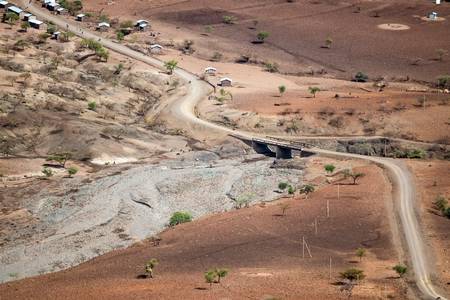
As droughts worsen, Kenyan herders revive ancient grazing system
Can traditional "Dedha" councils effectively manage disputes and keep the community's cattle alive?
-
opinion
Why is there a funding blind spot for disasters in fragile states?
Building peace and stability in conflict-affected states is the highest of hanging fruits
-
Reports
Routes to resilience: insights from BRACED year 2
Two years into the implementation of BRACED, this report collates and synthesises evidence from BRACED projects, to understand how projects are building resilience.
-
Events
International Winter School - Gender equality and resilience to disasters and climate risks: Future research and action agenda(s)
An international winter school to share knowledge and improve global awareness of, and responsiveness to gender equality in the contexts of disaster risks, climate change and conflict.
-
Article
(Freetown) has no future if we don't save the environment'
Freetown is still under threat one year after a devastating mudslide killed an estimated 1,000 people and left thousands homeless
-
Article
‘We are not to be ignored’: Young people take up climate activism
"When I think of climate change, I am driven by fear and anger."
-
opinion
Should welfare recipients be first in line for scarce adaptation cash?
An experiment in Mozambique suggests targeting climate adaptation at those receiving social welfare payments makes sense
-
Article
As rural Sri Lanka dries out, young farmers look for new job options
"When my father was my age, maybe the rains were much more predictable. Now only a fool will bet on the rains"
-
Article
From camels to catfish? Algeria boosts fish farming in the Sahara
Fish in the desert might sound counterintuitive but Algeria hopes to tap huge aquifers beneath the Sahara to feed its growing population






© 2018 | Terms of Use